
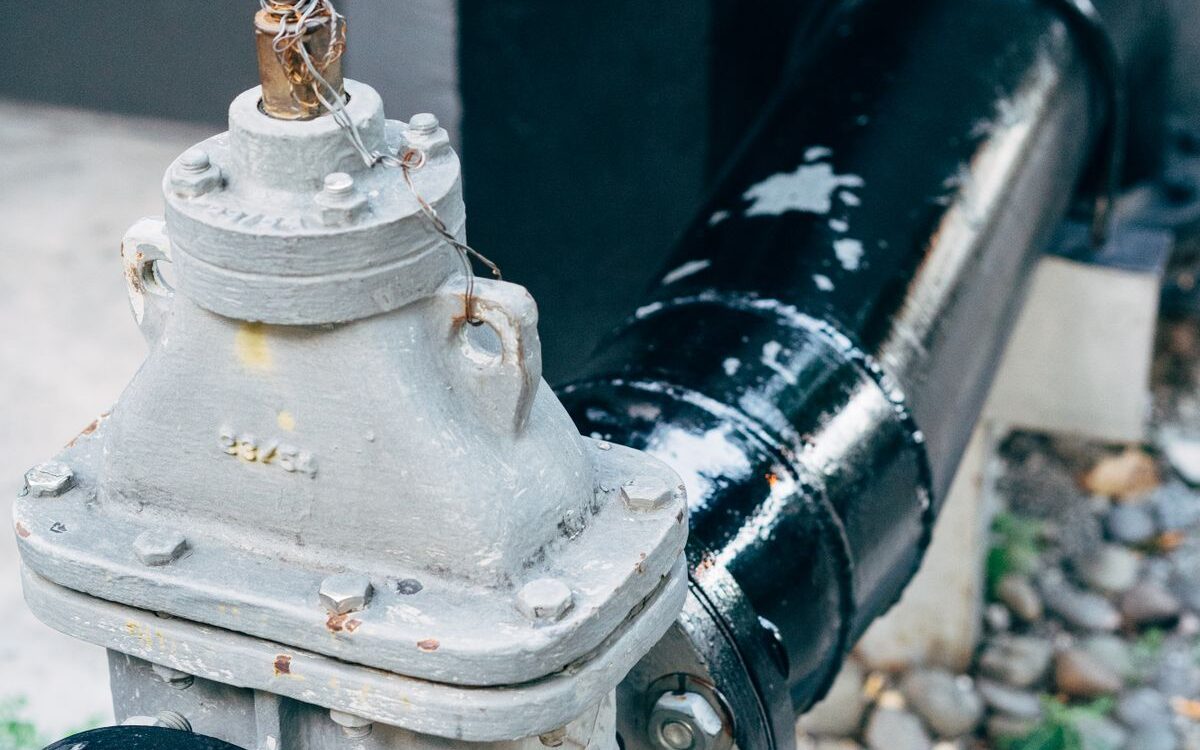
If your house is more than forty or fifty years old, the plumbing in it has probably been repaired, extended and patched by several different people. Some of it is fine. Some of it is a problem waiting for the wrong week. This guide covers what tends to go wrong in older homes, what the warning signs are, and what to ask before you spend money.
Why older homes behave differently
Plumbing materials have changed a lot. Older homes can have galvanised steel water pipes, cast iron or earthenware sewer drains and old brass fittings. Newer work uses copper, plastic pipe and modern fittings. The two are often joined together in the same house, and the joins are where trouble starts. Different metals can corrode where they meet, and old fittings may not seal properly when they are disturbed.
None of this means you need to rip everything out. It means you should know what you have before a renovation, a tree or a heavy storm tests it.
Water pressure that has crept down
Galvanised pipes rust on the inside. Over decades the pipe narrows, and the flow drops, usually first at the tap furthest from the meter. You might notice the shower is weaker than it used to be, or that two taps running at once starve each other. A new shower head will not fix that. A plumber can test pressure at the meter and at a tap to see whether the loss is in the pipe, a valve or the supply.
If the pipe is the cause, the fix is to replace the worn section, or all of it. Ask for the options in sections, because replacing the worst run first can spread the cost.
Brown water and metallic taste
Rusty water after the supply has been off, or first thing in the morning, can come from old steel pipes. It is usually not a sign of a burst main. If it only comes from one tap, check the tap and its flexible hose. If it comes from every tap and does not clear after a minute, tell a plumber, and check with your water authority whether there is work in your area.
Drains that keep blocking
Older sewer drains are often earthenware pipes in short lengths with joints every metre or so. Joints shift over time, and roots find the gaps. A drain that clears and then blocks again a few weeks later is usually telling you something. Run a camera through it. The footage will show whether you are dealing with grease, roots, a dropped joint or a broken pipe, and that decides whether jetting is enough or whether a repair is needed.
Do not assume a repair means digging up the whole garden. Depending on the damage, a short section can sometimes be replaced, or the pipe can be relined from inside. Ask which options suit your pipe, and what each one does and does not fix.
Leaks in places you cannot see
Slow leaks in older homes are common because supply pipes run in walls, under floors and in roof spaces that nobody checks. Signs include a musty smell, paint that bubbles, a stain on a ceiling, a damp patch in a cupboard or a water meter that moves when nothing is on. If you see any of those, do the meter test, and get the leak located before any wall is cut.
Hot water systems at the end of their life
An older house often has an older hot water system. Check the age on the compliance plate, look at the base of the tank for rust and water, and listen for new noises. A system that is more than about ten years old and starting to fail is usually better replaced than patched. If the tank itself leaks, it cannot be repaired.
Old taps and fittings
Taps in older homes often use washers and spindles that have worn out. They drip because the seat is damaged, or the parts are no longer made. In many cases replacing the tap is better value than hunting for parts. Isolation valves under sinks also seize with age, so test them. If a valve will not shut, replace it before you need it in an emergency.
Renovating an older house
Renovation is where old plumbing causes the most surprises. When walls are opened, the pipes behind them may be worse than expected, or in a different position to what you were told. Allow a buffer in the budget and ask your plumber to list what they have assumed. Older houses may also contain materials such as asbestos in places like old cement sheet, pipe lagging or flooring. Do not cut or drill into suspect materials yourself. Victoria has rules on how asbestos is handled, so check WorkSafe Victoria's asbestos guidance before work starts.
What to ask a plumber
Before you agree to a repair or a renovation, ask these questions. What pipe material do I have, and what condition is it in? What would you recommend, and what are the other options? What does the quote include, and what could change the price? Is the work licensed work, and who issues the compliance certificate? What warranty applies?
A plumber who answers these plainly and shows you the problem, whether on a camera or in a photo, is easier to trust than one who just gives you a number.
A simple plan for an older house
Find your water mains and know how to turn it off. Do the meter test once or twice a year. Look under sinks and around the hot water unit. Keep an eye on drains, especially if you have trees. And write down what you learn, including pipe types, repair dates and what each plumber found. Over time that record is worth a lot, both for you and for the next owner.
Related services and guides
More to read:
- How to Fix Low Water Pressure at Home
- Renovation Plumbing: What to Plan Before You Start
- How to Find a Hidden Water Leak in Your Home
Where we work: Geelong, Melbourne CBD, Werribee and the full list of service areas.
Talk to GSA Plumbing Services
We work across Geelong and Melbourne, 24 hours a day, 7 days a week. Call 0401 041 103 or use the contact page. Quotes are free and there is no call-out fee.