When plumbing fails in a business, you can lose a day of trade. Planning ahead helps keep things open.
Grease traps
Cafes and restaurants need grease traps that are cleaned on schedule. A full trap smells and can block the drain.
Backflow
Some commercial sites need backflow prevention devices that must be tested on a regular schedule. Ask your plumber what applies.
Hot water for staff and customers
Check that your hot water system matches your demand.
After hours work
We can book work outside trading hours to keep disruption low.
Emergency plan
Know where your main shutoff is. Keep our number handy.
Fit outs
If you are fitting out a shop, involve a plumber early to plan drains and connections.
Contact us
We service commercial properties across Geelong and Melbourne.
Grease and food businesses
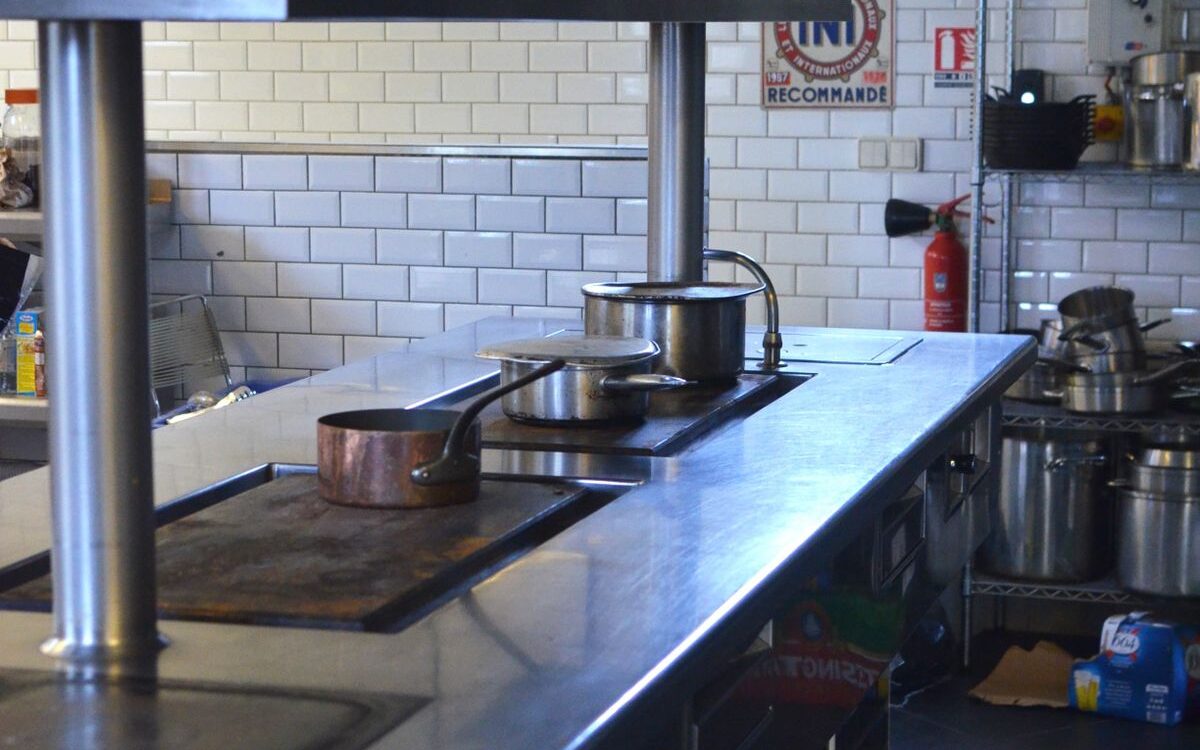
Commercial kitchens produce a lot of fat and food waste. A grease trap catches it before it enters the sewer, and it must be emptied and cleaned regularly. A neglected trap causes smells and slow drains, and the trade waste rules set by your water retailer may apply to your business. Check what your retailer requires and keep a record of cleaning dates.
Toilets and amenities
Public toilets are used heavily. Cisterns, taps and flush valves wear faster. Fit heavy duty commercial grade parts where you can, and check them on a schedule. A shop with a broken toilet can lose customers fast.
Hot water on demand
Cafes, salons and gyms use lots of hot water in short bursts. A system sized for a house may run out. We can look at your usage and recommend a unit that keeps up.
Compliance and testing
Backflow devices, gas appliances and fire services have testing and inspection requirements. Keep the paperwork where you can find it. Ask your plumber what applies to your type of business.
Minimising downtime
Plan planned work for quiet times. Have a plan for emergencies, with the main shutoff marked and staff trained. Keep our number on the wall.
Plumbing problems that shut a business down
For a home, a blocked toilet is an inconvenience. For a cafe, a clinic or a shop, it can close the doors. Common problems are blocked floor drains, grease trap overflow, hot water failure, a toilet out of order in a shop with only one, and a burst pipe above stock or equipment. Each one costs trading time as well as repair money.
The best protection is knowing who to call before it happens. Keep a list of shutoff valve locations, the hot water system details, the grease trap position and emptying schedule, and the contact for the building manager. If you rent, check your lease so you know which faults are yours and which belong to the owner.
Questions for landlords, managers and plumbers
Shared buildings make plumbing complicated. If a leak starts in the unit upstairs, who pays for the damage in yours? If a shared sewer line blocks, who approves the repair? Ask the owners corporation or building manager for the procedure in writing. Ask the plumber to describe where the fault is and who the pipe serves, because that decides who is responsible.
For after hours work, ask about the rate before booking. For food businesses, ask whether the grease trap is the right size and when it was last emptied. For anything involving backflow or gas, ask what testing and paperwork the work needs.
Putting a plumber on your side before trouble starts
Many businesses only meet a plumber in an emergency. A better approach is to meet one before something fails, show them the site and agree how to reach them after hours. Give them a plan of the building, shutoff valve locations and details of the hot water system and grease trap.
Ask what they would need from you in an emergency, such as access, contact details and the authority to approve repairs. If you are a tenant, find out what your landlord has agreed with the plumber about invoicing. That avoids arguments when it matters.
Choosing a commercial plumber
Look for fast response, clear reporting and a plumber who is happy to talk about your site. Ask for photos and records of work. A plumber who knows your building can solve problems faster.
What counts as commercial plumbing
Commercial plumbing covers shops, offices, cafes, restaurants, medical clinics, warehouses, schools, gyms and strata buildings. The systems are bigger and used harder than a house. There are more toilets, more hot water demand, floor drains, grease traps, trade waste connections, backflow devices and sometimes gas lines for kitchens and heating. The paperwork and compliance side is heavier too.
Trade waste and grease
Food businesses may need a trade waste agreement with their water retailer and a grease trap that is serviced regularly. Ask your retailer what applies to your premises. A full or poorly maintained trap causes bad smells and slow drains. Do not let staff pour oil or fat down sinks. Fit strainers and keep scrapers by the sink. Ask your plumber to check that the trap is the right size for your kitchen.
Tenancy and responsibility
If you lease a shop or office, check the lease to see who is responsible for plumbing repairs. Landlords often cover the building, while tenants look after fixtures they install. Take photos of existing problems when you move in. When there is a fault, report it in writing, and ask your plumber for a clear report you can pass on.
Planning for emergencies
Make sure the manager and key staff know where the main water shutoff is, and mark it. Keep a list of other isolation valves for key areas. Keep our phone number visible. Ask us about after hours support so you are not searching for a plumber when a pipe is flooding the stockroom.
Regular maintenance for business sites
A yearly or half yearly check can cover taps, toilet cisterns, hot water systems, floor drains, backflow devices and visible pipework. Keep a log. It helps with insurance, compliance and sale or lease changes. We can set up a simple schedule that suits how your business operates.
Related services and guides
More to read:
- Plumbing Tips for Landlords and Property Managers
- What to Do in a Plumbing Emergency Before the Plumber Arrives
- How Much Does a Plumber Cost? What Affects the Price
Where we work: Geelong, Melbourne CBD, Werribee and the full list of service areas.
Talk to GSA Plumbing Services
We work across Geelong and Melbourne, 24 hours a day, 7 days a week. Call 0401 041 103 or use the contact page. Quotes are free and there is no call-out fee.