
Plumbing is one of the first trades on a renovation and one of the last to finish. Get the plan right at the start and the rest of the job runs smoother.
Decide where fixtures will go
Moving a toilet, shower or sink changes the pipes and drains. Keeping fixtures close to where they are is cheaper. If you want a new layout, speak to a plumber early so you know the cost.
Rough in and fit off
Rough in is the first stage, when pipes and drains are put in before walls and floors are closed up. Fit off is the second, when taps, toilets and basins are installed. Your plumber visits at both stages and sometimes more.
Waterproofing and falls
Wet areas need correct waterproofing and floor falls toward the drain. This is done by a licensed waterproofer, and your plumber sets the drain and pipe positions to suit.
Hot water and gas
If you add a bathroom or a big kitchen, check that your hot water system can keep up. If you are adding gas appliances, check meter and pipe capacity.
Choose fixtures early
Order taps, basins and toilets before the rough in. Different brands have different pipe positions and sizes. The wrong fixture can mean changing pipework.
Compliance
Some renovation plumbing needs a compliance certificate. The licensed plumber lodges it. Ask for a copy for your records.
Budget a buffer
Old homes can hide surprises such as rusted pipes or damaged drains. A buffer of some kind avoids stress if something comes up.
Work with us
We can inspect before you start, give you a clear quote, and coordinate with your builder.
Bathrooms
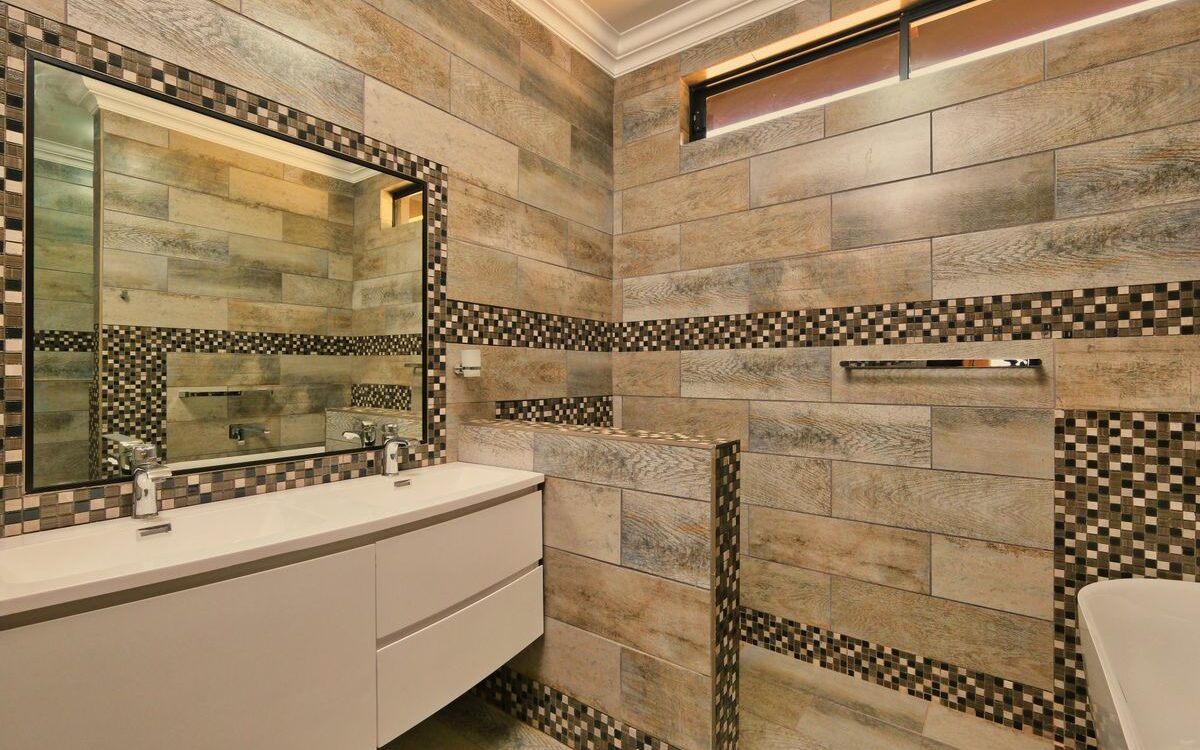
A bathroom renovation involves removing old fixtures, checking pipes and drains, rough in, waterproofing, tiling and fit off. Ask your plumber to check the condition of existing pipes while the walls are open. Replacing old pipes at this stage is cheap compared with doing it after tiling.
Think about the shower position, the floor waste and the toilet outlet type, whether wall or floor. Wall hung toilets and in-wall cisterns need a frame and access, and must be planned before the wall is built.
Kitchens
Kitchen plumbing covers the sink, dishwasher, and sometimes a filter tap or a gas cooktop. Make sure the sink waste, dishwasher outlet and water points are placed where the cabinet maker expects them. If you are moving the sink, the waste pipe needs enough fall to drain properly.
Laundries
Check the taps, trough or washing machine outlet, and floor waste. A washing machine tap set with a hammer arrestor reduces pipe noise. Replace old hoses with braided ones during the job.
Working with your builder and other trades
Plumbers, electricians, carpenters and tilers depend on each other. Agree on a schedule and make sure the plumber has access at the right stage. Missed rough in visits can mean cutting into finished walls.
Keeping the budget under control
Get a written quote for the plumbing scope, including what fixtures you supply and what the plumber supplies. Ask what is not included. If you change your mind mid-job, ask for the cost of the change before it goes ahead.
The mistakes people make before the first tile goes down
Renovators usually spend months on tiles, tapware and benchtops, and a few minutes on where the pipes go. Then the builder asks for plumbing positions and the answers are made on the spot. The result is a toilet in a bad position, a shower waste that does not line up with the tile layout or a basin that is not where the vanity wants it.
Make every plumbing decision on paper before rough in. Draw the room, mark the toilet, basin, shower, bath, laundry tub and appliances, and give the plumber and builder the same drawing. Pick the actual fixtures first, because the rough in positions depend on the model you buy, not on a generic size.
Questions to ask before you sign
Ask whether the quote splits rough in and fit off, because the plumber works at two different stages. Ask who is supplying the fixtures and who is responsible if one arrives damaged or with the wrong waste outlet. Ask what happens if walls are opened and old pipes are found in worse condition than expected. And ask who is arranging the compliance certificate if the work needs one.
Budget a buffer. Plumbing is hidden behind walls, so the surprises in an older house appear after demolition. A sensible allowance for the unexpected means you are not scrambling to change plans halfway through.
How to compare renovation plumbing quotes fairly
Two quotes for the same bathroom can be thousands of dollars apart and both be honest. The difference is usually in what is included. Check whether each quote covers removal of old fixtures, rough in, fit off, floor waste and shower drain, supply of fixtures, the compliance paperwork and the making good of any walls or floors the plumber has to open.
Ask each plumber to list their assumptions. For example, "this assumes the existing waste can be reused" or "this assumes the toilet stays in the same position". If an assumption turns out to be wrong, you will know why the price changed. Do not pick the cheapest quote just because it is cheapest. Pick the one you can read and understand.
Questions to ask your plumber
Which fixtures can stay where they are? Will pipes need replacing? How many visits are needed? When do you need fixtures on site? What is the timeline? Clear answers up front avoid delays on site.
The questions that save the most money
Where will each fixture go? Is the hot water unit big enough? Are any pipes old enough to replace while walls are open? Does the drain suit the new layout? Which fixtures have you chosen, and are they suited to your water pressure?
Settle these before demolition. Changes after walls are lined are slower and more expensive.
Related services and guides
More to read:
Where we work: Geelong, Melbourne CBD, Werribee and the full list of service areas.
Talk to GSA Plumbing Services
We work across Geelong and Melbourne, 24 hours a day, 7 days a week. Call 0401 041 103 or use the contact page. Quotes are free and there is no call-out fee.