
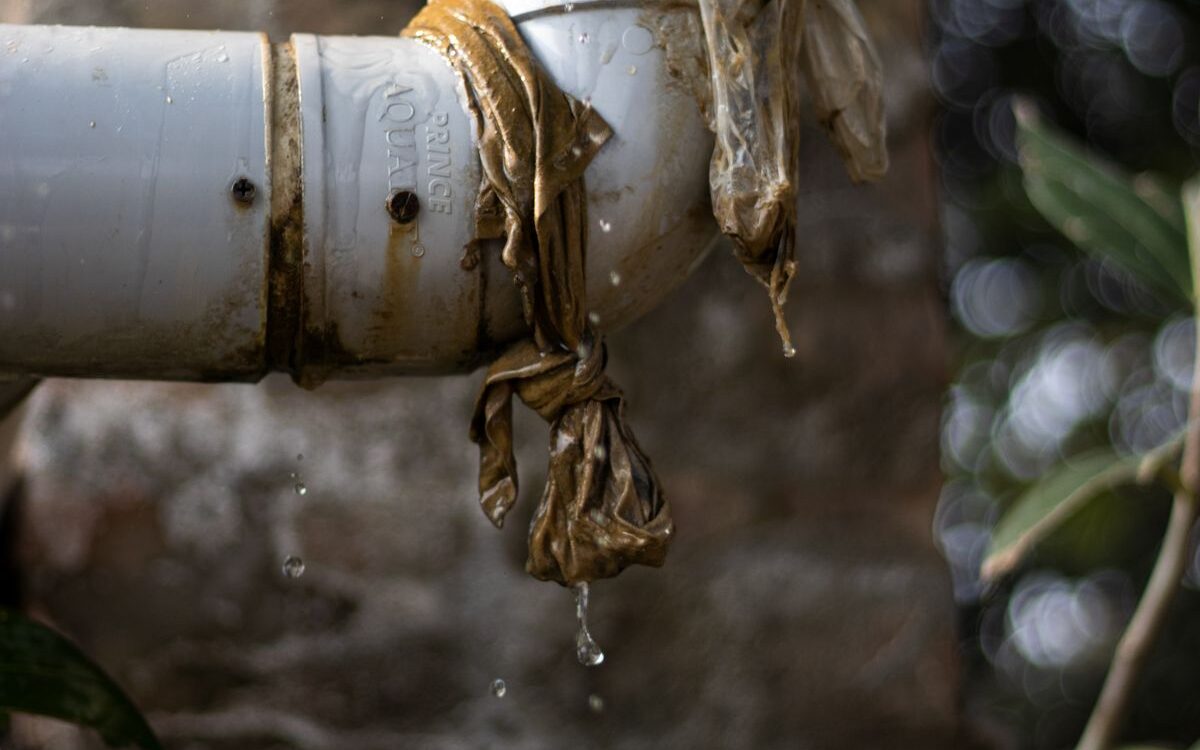
A hidden leak can go on for months before you see damage. By then you may have paid for a lot of wasted water and have mould or rot to fix. Here is how to spot one early.
Check your water bill
If your bill jumps and your habits have not changed, something may be leaking. Compare it with the same time last year.
The meter test
Turn off every tap and appliance in the house. Look at your water meter. If the dial or the small flow indicator is still moving, water is going somewhere. Take a photo, wait an hour without using water, and check again.
Look for the signs
Watch for damp or stained ceilings and walls, peeling paint, musty smells, warped floorboards, lush wet patches on the lawn, and the sound of water when everything is off.
Check the obvious spots first
Toilets leak silently into the bowl. Put a few drops of food dye in the cistern and wait ten minutes. If colour shows in the bowl without flushing, water may be leaking from the cistern into the bowl, for example past the flush valve seal. A plumber can confirm the cause and what part is worn. Also check under sinks, behind the washing machine and the hot water system valve.
Slab and underground leaks
Leaks in pipes under a concrete slab or in the yard are harder. A warm patch on the floor can mean a hot water pipe is leaking. A plumber uses listening equipment and moisture detection to find the spot without tearing up the house.
What to do
Turn off water at the main if you cannot stop the leak. Take photos for insurance. Call a plumber to locate and repair it. Then dry the area properly to prevent mould.
Why it pays to act early
Water damage is expensive and slow to dry. A small repair now beats a large repair later. Our team can inspect, locate and repair leaks across Geelong and Melbourne.
Understanding the water meter
Your water meter has a dial that counts litres or kilolitres, and many have a small triangle or wheel that spins when water is moving. If it spins when every tap is off, you have a leak somewhere after the meter. Write down the reading, then check it again after two hours with no water use. Any change is water you have paid for and not used.
Where leaks usually hide
Common spots include flexible hoses behind the toilet, shower mixers inside the wall, joints in ceiling pipes, hot water relief valves, garden taps, and pipes in the ground between the meter and the house. In older homes, corroded galvanised pipes can develop pinholes. The sound of a faint hiss or the feel of a slightly warm patch on the floor are clues.
Leaks you can see outside
A patch of lawn that stays green and soft in dry weather, a wet patch near the meter, or water pooling near the house wall can mean an underground leak. Water can travel along pipe trenches, so the wet spot is not always right above the break.
How plumbers locate leaks without demolition
Listening devices pick up the sound of water escaping from a pressurised pipe. Moisture meters and thermal checks show damp inside walls. Sections of pipe can be isolated and pressure tested to find which section is losing water. This narrows the search so the repair opening can be small.
After the repair
Once the leak is fixed, dry out the area with fans and good airflow. Wet plasterboard and timber can grow mould within days. Keep your photos and invoice for insurance. Check your meter again to confirm the leak is gone and keep an eye on the next bill.
The bill, the meter and the garden
A leak you cannot see usually shows itself in one of three places. Your water bill goes up without a reason. Your meter moves when nothing is on. Or something outside the house changes, like a patch of lawn that stays green and soggy in dry weather. Treat any of those as a reason to test properly.
For the meter test, turn off every tap and appliance, check that the toilets are not running, and read the meter. Wait an hour without using water, and read it again. If the number or the small dial has moved, water is going somewhere. Your water authority, such as Barwon Water, explains how to check for leaks on its website.
What to do once you know there is a leak
The next question is where. A leak after the meter and before the house is your responsibility. A leak in a wall, under the slab or in the ceiling needs a plumber with the right gear, because guessing means digging up a floor. Leak detection uses listening equipment, moisture detection and pressure testing to narrow down a location before any cutting is done.
While you wait, take photos of any damage, note the meter reading and the time, and turn off the water at the mains if the leak is serious. Tell your insurer early, since many policies treat a slow leak differently to a sudden burst, and the order you do things in can affect a claim.
The most common hidden leaks in a house
The usual suspects are a running toilet, a dripping tap, a leaking hot water pressure relief valve, a failed flexible hose, an irrigation line and a broken pipe between the meter and the house. Many of these show themselves if you look for them, and a toilet leak can be tested with a few drops of food colouring in the cistern.
Leaks in walls, ceilings and slabs are harder. Signs are a musty smell, bubbling paint, a stained ceiling, warm patches on the floor or a hissing sound. If you suspect one, stop guessing and get it located before anything is cut.
Garden and pool leaks
A garden irrigation line can leak underground and waste a lot of water. Check each station and watch for wet or boggy spots. For pools, a bucket test can show whether the loss is evaporation or a leak. Your plumber can help find leaks on supply lines.
Related services and guides
More to read:
- How to Fix Low Water Pressure at Home
- What to Do in a Plumbing Emergency Before the Plumber Arrives
- Plumbing Problems in Older Homes: What to Look For Before They Cost You
Where we work: Geelong, Melbourne CBD, Werribee and the full list of service areas.
Talk to GSA Plumbing Services
We work across Geelong and Melbourne, 24 hours a day, 7 days a week. Call 0401 041 103 or use the contact page. Quotes are free and there is no call-out fee.