
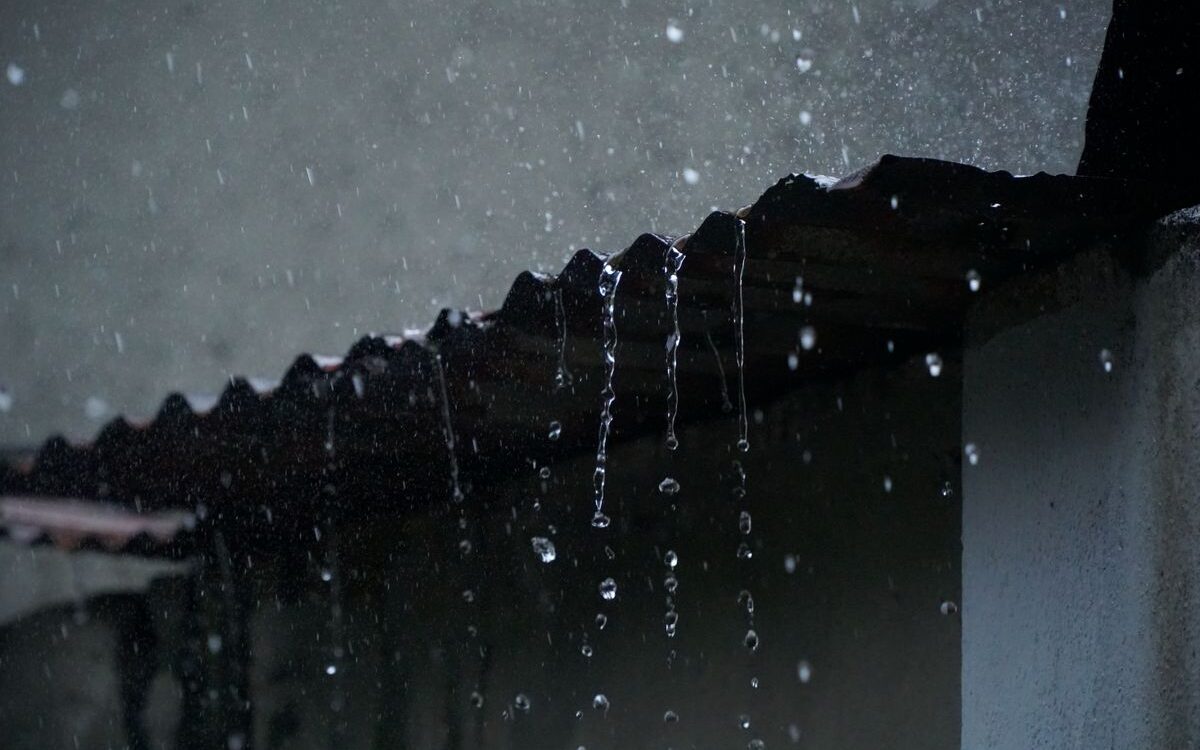
Cold snaps and heavy rain test your plumbing. A few checks before winter can save a call-out.
Heaters
Have your gas heater serviced and check vents and flues.
Hot water
Check for leaks and test the relief valve. Insulate exposed pipes.
Gutters and drains
Clear gutters and downpipes. Check stormwater pits.
Outdoor taps
Cover or insulate outdoor taps and pipes in exposed spots.
Know your main
Make sure everyone knows where to turn off the water.
Call us
Our team is on call 24/7 if something goes wrong.
Heating and gas
Run your heater before the first cold night to check it lights and the flame is blue. Look at the flue and vents. If you smell gas, follow the Energy Safe Victoria steps on its gas emergencies page.
Hot water in the cold months
Hot water units work harder in winter. Check for leaks, rust and noises. If a unit is more than ten years old, consider planning a replacement before it fails on a freezing morning.
Rain and drainage
Winter brings heavy rain to both Geelong and Melbourne. Clear leaves from gutters, check downpipes, and clean stormwater pits. Look for pooling water near the house.
Frost and exposed pipes
Frost is not usually severe in these areas, but exposed pipes and outdoor taps can still be affected on very cold nights. Lagging on exposed pipes is cheap and easy.
Holiday and weekend breaks
If you are away, turn off the water at the main and drain the system if you will be gone for a long time. It prevents a small leak turning into a big flood.
What winter does to plumbing in a normal house
Victorian winters mean long hot showers, heaters running for hours, wet gutters and very little time outside. That is when small faults show up. Hot water systems work harder and the weak ones fail. Gutters that were blocked in autumn overflow. Drains that were slow in summer stop in a downpour.
A sensible checklist covers four things. Look at the gutters and downpipes before heavy rain. Check the hot water system for leaks and rust. Test the gas heater when the weather is mild. Know where the main water tap is, in case a pipe in an exposed spot bursts in a cold snap.
Weekend and holiday absences in winter
If you are going away, turn off the water at the mains, drain the tap lines if the house will be cold and leave the heating on low in cold areas. Let a neighbour or family member know where the mains and the switchboard are.
Check that the hot water system is on a setting you are happy to leave unattended, and that no tap is dripping. A small leak left for a week can do a lot of damage to a ceiling or floor.
Know the signs of trouble
Low hot water, strange smells near the heater, damp patches on ceilings after rain and slow drains are all signs to act on before things get worse.
Why winter is hard on plumbing
Geelong and Melbourne winters are cold, wet and windy. Heaters run for hours, hot water is used heavily and heavy rain pushes stormwater systems. Small problems that were easy to ignore in summer show up. A hot water system that was barely coping in autumn can fail on the first frosty morning. A gutter with a small blockage can overflow in the first big storm.
A short check in autumn costs a lot less than an after hours call-out in the middle of a cold snap. Here is a fuller walk-through to use on a weekend.
Hot water checks in detail
Look at the unit for water on the floor, rust at the base and a steady drip from the relief valve line. A small drip when the water is heating can be normal, but a flow that does not stop is not. Listen for rumbling, popping or banging. Check that the temperature at the tap is hot enough, and not scalding. If you have a gas unit, look at the flame through the viewing window if there is one. It should be steady and mostly blue.
If you rely on a gas continuous flow unit, check the flue terminal outside for nests or blockage. If you have solar hot water, remember the booster element or gas booster does more work in winter. A unit that cannot keep up may need servicing or a different setup.
Heating and gas safety
Before the cold arrives, run each gas heater and check that it lights quickly and burns steadily. Look for soot, scorch marks and a yellow flame. Check vents and flues are clear. Never block or seal vents to keep the heat in, because gas appliances need air to burn properly. If a heater has not been serviced for years, book a service with a licensed gas fitter. Carbon monoxide is odourless, so a service and a working alarm matter.
Rain, roofs and drains
Clear leaves from gutters, valleys and downpipes. Check for gaps and rust at joints. Look for places where water spills over, as these often mean a blockage or a gutter that has lost its fall. Check stormwater pits in the yard and lift grates to clear leaves and silt. If a pit stays full after rain, the line may be blocked or damaged, and a camera inspection will show why.
If water pools against the house wall or runs under it after rain, get the downpipes connected properly or extended away from the building. Persistent damp is expensive to fix.
If something fails in the cold
If a pipe bursts, turn off the water at the main, open the taps to drain the lines and call us. If the hot water goes out, check the pilot or power first, then the thermostat or circuit breaker. If you smell gas, follow the Energy Safe Victoria gas emergency steps and call the gas emergency number on your gas bill. For everything else, call us any hour. We are available 24 hours, 7 days.
Related services and guides
More to read:
- How Often Should You Service Your Plumbing?
- How to Keep Your Gutters and Downpipes Working
- Plumbing Tips for Landlords and Property Managers
Where we work: Geelong, Melbourne CBD, Werribee and the full list of service areas.
Talk to GSA Plumbing Services
We work across Geelong and Melbourne, 24 hours a day, 7 days a week. Call 0401 041 103 or use the contact page. Quotes are free and there is no call-out fee.