
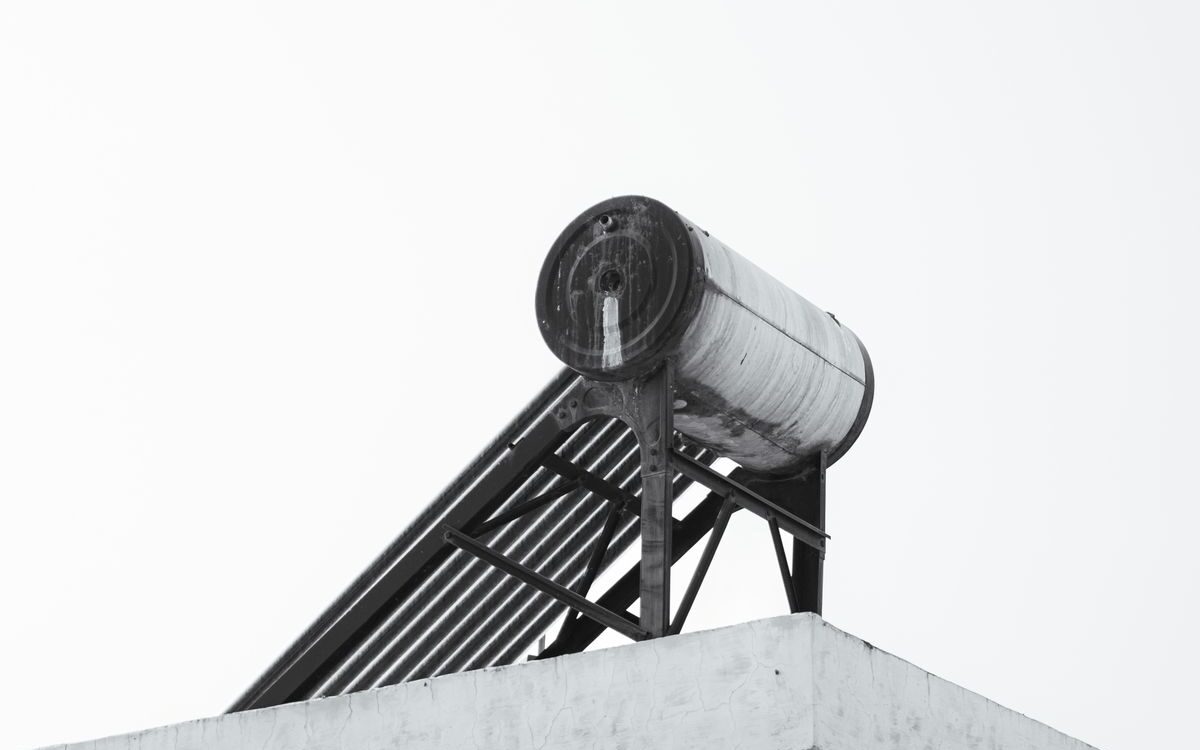
Most hot water systems last somewhere around ten to fifteen years, depending on the type, the water quality and how well they are looked after. Here are the common signs that yours is on the way out, and how a plumber decides between a repair and a replacement.
The system is old
Check the compliance plate on the tank. It usually shows the date it was made. If your system is getting on for ten years or more and starts having problems, the sensible move is often to replace it rather than keep paying for repairs.
Rusty or smelly hot water
If the hot tap runs brown or orange but the cold tap is clear, the inside of the tank may be rusting. A metallic taste or a rotten egg smell can also point to a worn anode or bacteria growing in the tank. A plumber can flush the tank and check the anode, but a badly corroded tank cannot be saved.
Water around the base of the tank
A small drip from the pressure relief valve is normal at times, because it releases pressure as water heats up. A steady leak from the tank body is different. Once the steel shell has pinholes, it will not seal again. Turn off the water and power or gas, and call a plumber.
Noises from the tank
Popping, rumbling or banging usually means sediment has built up at the bottom of the tank and the element or burner is working harder than it should. Flushing can help in the early stages. If the noise keeps coming back, the tank is probably worn out.
Not enough hot water, or it runs out fast
If showers are getting shorter, the system might be too small for your family now, or an element, thermostat or gas burner could be failing. A plumber can test each part. If more than one is faulty on an older unit, replacement usually makes more sense.
Higher energy bills
A system that has to run longer to do the same job costs more to run. Sediment and scale make heating less efficient. If your bills have crept up and nothing else has changed, have the system checked.
Choosing the next system
The right choice depends on your household size, space, gas access and budget. Gas continuous flow units give hot water on demand and take up little room. Electric storage tanks are simple and cheaper to buy. Heat pumps and solar systems cost more up front but can cut running costs. We will explain the options plainly and quote the job before work starts.
All hot water work should be done by a licensed plumber, and gas systems by a licensed gas fitter. Ask to see licence details on any job.
What to do the day it fails
A hot water system rarely fails at a convenient time. It is usually a cold morning with a house full of people. Before you call anyone, check the simple things. For electric systems, check the switchboard for a tripped breaker. For gas, check the pilot or ignition and whether the gas is on at other appliances. For solar or heat pump systems, check whether the booster has power. If none of that fixes it, you probably need a plumber.
Turn off the power or gas to the unit if you see water leaking from the tank body or smell gas, and shut the cold water supply at the isolation valve near the unit. A small drip from the pressure relief valve pipe is normal when the system heats up. A steady stream is not.
Replacing it without regretting it
Replacement decisions are made in a hurry, which is how people end up with a unit that does not suit them. If you can, take ten minutes to think about it. How many people use hot water at the same time? Do you have gas connected? Is there roof space for solar? Where will the unit go? A tank that is too small runs out each evening. A tank that is too large costs more than it should to run.
Ask for the options side by side, including the cost, the warranty on the tank and on any other part, and what is needed to meet the current regulations. Gas and some electric installations are licensed work with compliance paperwork. Do not agree to a price that leaves out the removal of the old unit or any new valves.
Questions to ask before you pay for a new system
What size do I need, and why? What is the warranty on the tank, the elements or burner and any other part? Does the price include removing the old unit, new valves, a new pressure relief valve and the compliance paperwork? How long will the water be off? What is the running cost compared with what I have now?
If you are considering a change of fuel, such as gas to heat pump, ask what extra work is needed, like electrical upgrades or a new location. Government programs may offer discounts or rebates, and the eligibility rules differ between them and change over time. Victorian Energy Upgrades and Solar Victoria each publish current hot water information on their official websites, so read the terms there and ask your installer which program applies to your home before you sign anything. Get at least two quotes and read them side by side.
Repair or replace: a rule of thumb
If the system is under about eight years old and the fault is a single part such as a thermostat, valve or element, repair is usually sensible. If the tank has leaked, or the unit is old and has several faults, replacing is usually better value.
Hot water safety
Hot water at the tap should be delivered at a safe temperature, and the tank itself needs to be kept hot enough to stop bacteria growing. A tempering valve blends cold water in to prevent scalds. Ask your plumber to check it is working, especially if there are children or elderly people at home.
Need a plumber?
GSA Plumbing Services works across Geelong and Melbourne, 24 hours a day, 7 days a week. Call 0401 041 103 or send us a message through the contact page and we will talk you through your options.
Related services and guides
More to read:
- How Often Should You Service Your Plumbing?
- How to Fix Low Water Pressure at Home
- New Home Plumbing: What Owners Need to Know
Where we work: Geelong, Melbourne CBD, Werribee and the full list of service areas.
Talk to GSA Plumbing Services
We work across Geelong and Melbourne, 24 hours a day, 7 days a week. Call 0401 041 103 or use the contact page. Quotes are free and there is no call-out fee.